A touch-up is a short session after healing where an artist goes back over spots that settled light, lost a line edge, or healed unevenly. New tattoo owners sometimes hear the word as an admission that something went wrong. It is not. Skin is not paper, healing is not identical across a single piece, and a touch-up window is a standard part of professional tattooing in Matthews and everywhere else.
Seasons run this conversation in North Carolina. When you got the tattoo, how the Piedmont summer or winter treated it while it healed, and when you plan to show it off all change when a touch-up should happen and what it can fix. This guide walks the year, then gives you the signs that a spot genuinely needs attention versus the normal changes every healed tattoo goes through.
Why healed tattoos vary spot to spot
Several ordinary variables decide how ink settles. Skin thickness changes across one design, so a line crossing from upper arm toward the inner arm crosses different ground. Areas over joints and areas that bend, twist, or rub against clothing heal harder than flat, quiet areas. A scab knocked off early, a week of heavy sweating, or friction from a work boot can pull pigment from one patch while the rest heals perfectly.
The artist's side has variables too, all of them normal. Solid black packing, soft grey shading, and fine lines each settle differently, and light colors show variation sooner than dark ones. None of this is visible on day one, when the tattoo is dark, raised, and slightly swollen. The healed result at four to six weeks is the first honest look, which is why touch-up assessments wait until then.
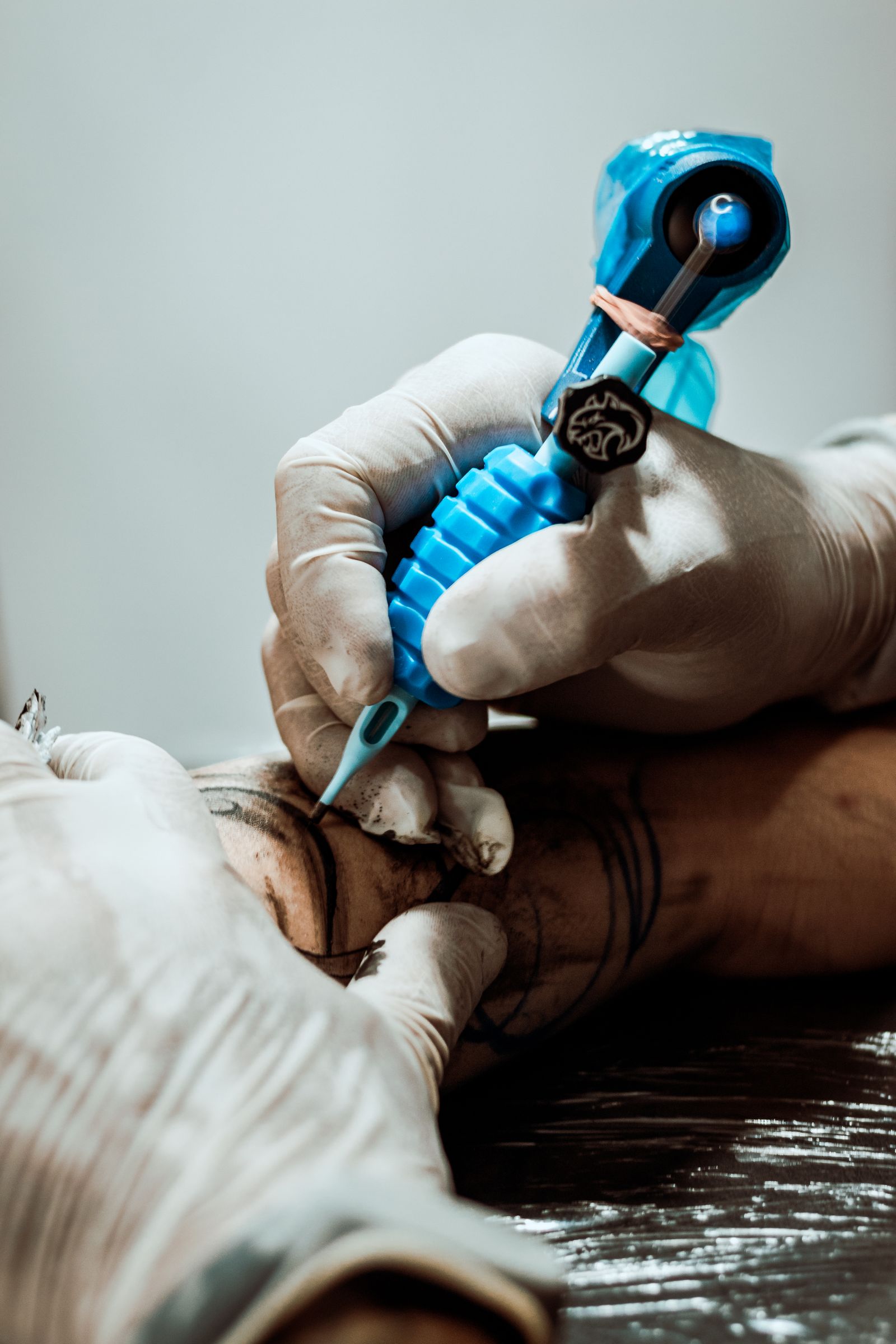
The Piedmont year, tattoo by tattoo
Summer tattoos in Matthews heal in heat and humidity. Sweat, sunscreen timing, pool and lake invitations, and strong sun all press on a healing piece, and summer work is the most likely to need a small correction in the fall. That is a fine trade if you plan it: get the piece, heal it carefully, and book the touch-up once the weather cools and the tattoo is fully settled.
Winter tattoos heal under layers. Dry indoor heat, hot showers, and friction from sleeves and boots are the winter risks, and dry, flaky healing can leave light patches. Spring and fall are the forgiving seasons, mild weather, less sun, fewer swims, which is why many collectors schedule larger work then. Whatever the season, the rule holds: no touch-up on skin that is still healing, peeling, or sunburned. The skin must be fully closed and settled first.
Signs a healed tattoo is ready for a touch-up look
- At least four to six weeks have passed and all peeling, flaking, and shine from healing are gone.
- One area is visibly lighter than the matching areas around it in ordinary indoor light.
- A line has a genuine gap or break that was not part of the design.
- Solid color or black looks patchy in one spot while the same fill nearby healed evenly.
- You have photos of the healed piece to show the artist, not just a description from memory.
- The skin itself is calm, with no sunburn, rash, or irritation over the area.

What a touch-up can and cannot do
A touch-up strengthens what is already there. It can darken a light patch, reconnect a broken line, and even out shading. It cannot shrink a tattoo, undo line spread that happened over years, or change a design you have simply fallen out of love with. Those are rework or cover-up conversations, and Opal Heart Tattoo handles those too, but they are different appointments with different planning.
Timing matters in the other direction as well. Many studios offer a touch-up window, a period after the original session during which minor corrections are handled under the studio's own policy. Ask about the window when you book the original piece, and do not let a small light spot ride for a year out of embarrassment. Artists would rather see a healed tattoo at six weeks and fix a patch in twenty minutes than hear you disliked it quietly for a year.
The session itself is short and familiar: clean the area, match the ink, and rework only the spots that need it. Healing round two is usually easier than the first, since the area is small, but it follows the same aftercare. Treat a touch-up with the same respect as the original session and the piece will settle evenly this time.
Common questions
Do touch-ups mean my tattoo was done badly?
No. Healing varies across skin, placements, and seasons, and minor corrections are a normal, expected part of tattooing. Studios plan for them rather than treating them as failures.
How soon can a touch-up be done?
Only after the tattoo is fully healed, usually no earlier than four to six weeks. Tattooing still-healing skin damages it and makes the result worse.
Will I need a touch-up every year?
No. A touch-up addresses healing variation once. Long-term fading over many years is a separate, optional refresh conversation, helped a great deal by regular sunscreen use.
Photos in this guide are representative stock images.
← All guides from Opal Heart Tattoo← Back to Opal Heart Tattoo