Your first tattoo appointment is simpler than the stories make it sound, and more structured. There is a consultation, paperwork, a stencil, the session itself, and aftercare instructions, in that order. Knowing the sequence removes most of the nerves. What this guide adds is the part first-timers rarely hear: the choices you make around the appointment, including how you treat the tattoo afterward, decide whether the piece still looks good in five years.
Neglect is the quiet cost here, and it never sends a bill. It shows up as a first tattoo that faded early because it spent its first summer unprotected, or a design placed and sized in a rush that needed a cover-up by age thirty. A studio like Opal Heart Tattoo in Matthews can control the work in the chair. The rest of the timeline belongs to you, so here is the whole thing, start to finish.
Before the day: consultation and deposit
Most first tattoos start with a consultation, a short conversation about the idea, placement, and size. Bring reference images, but expect the artist to redraw the design for skin, adjusting line weights and detail so it will heal well. This is also when you learn how long the session will take and what it involves. A deposit normally follows, reserving your appointment and, for custom work, the drawing time. The deposit typically applies to your session when you attend as booked.
Placement deserves an honest minute. Areas differ in how they feel during tattooing, how they heal under your work clothes, and how much sun they get in a Matthews summer. Your first piece is a good candidate for a stable, easily covered area such as the upper arm, shoulder, calf, or thigh. Save the hands, neck, and ribs for when you know how you heal and sit.
The appointment itself
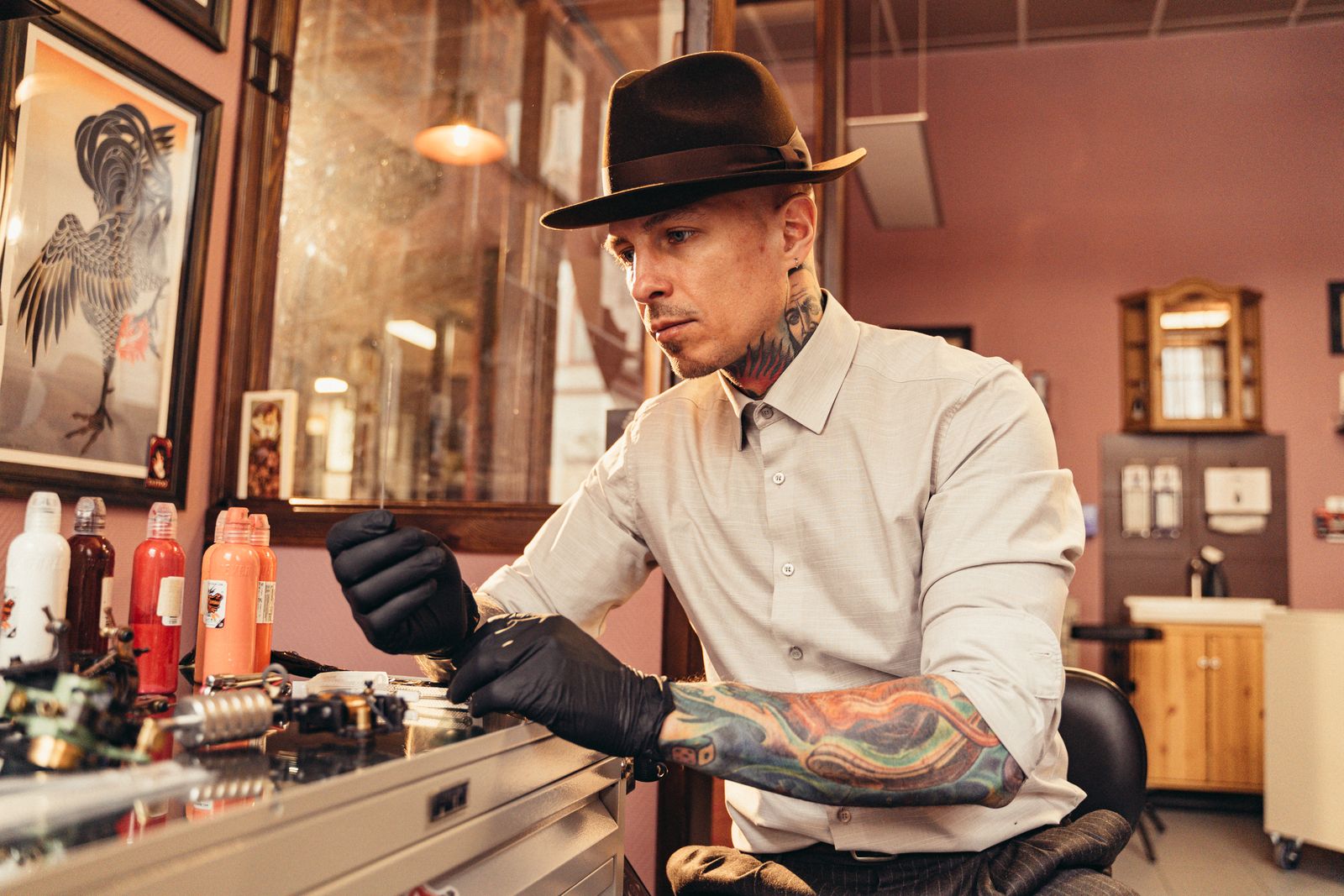
Arrive fed, rested, and sober, with your photo ID. Alcohol before a session is a bad idea for bleeding, judgment, and the studio rules. You will fill out consent paperwork, then the artist cleans the area, places the stencil, and gives you a mirror check. Speak up at the stencil stage. Moving a design half an inch costs nothing now and is impossible later.
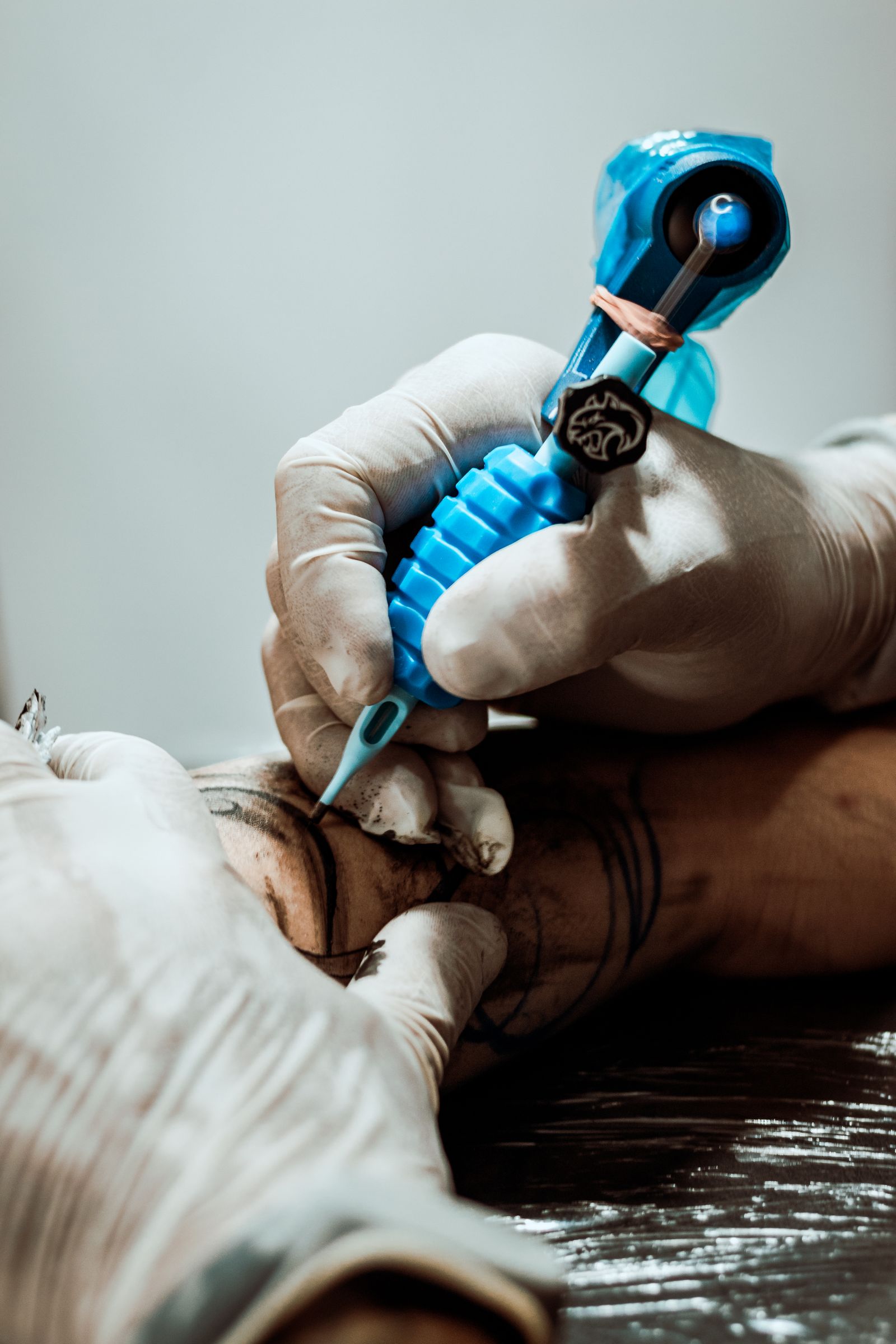
The artist then sets up single-use needles and inks in front of you, and the outlining begins. Most people describe the sensation as a persistent scratch or cat-like scrape, stronger over bone and thinner skin, easing into background discomfort as the session settles. Short breaks are normal on longer pieces. When the tattoo is done, it is cleaned, shown to you, and wrapped or covered, and you get aftercare instructions in plain terms: how to wash it, what to put on it, and what to avoid.
The weeks after: where neglect does its work
Aftercare is boring, and that is the trap. A healing tattoo needs gentle washing, a thin layer of the recommended ointment or moisturizer, and to be left alone. Picking flakes, soaking in baths or pools, and scratching through the itchy phase each pull ink and invite infection. The tattoo that peels unevenly because it was picked at heals unevenly, and no touch-up fully repays careless healing.
The longer neglect is sun. A fresh tattoo and sunlight are enemies, and a healed tattoo without sunscreen fades measurably faster in Piedmont summers. The pattern repeats every year: first tattoos done in spring, cooked by July, look three years old by fall. Keep the piece covered while it heals, then make sunscreen a habit on it for life. That single habit does more for a tattoo's tenth year than any other choice you will make after the chair.
What finish really means
A first tattoo is finished when it has healed, been looked at with fresh eyes, and had any small touch-up it needs. Put a note in your calendar for six weeks out. Look at the piece in plain light, compare it to the design, and book the follow-up if a spot settled light. That small bit of follow-through is the difference between a tattoo that was done once and a tattoo that was completed.
Common questions
How much will my first tattoo cost?
It depends on size, detail, placement, and the artist, and studios price after seeing the design. Bring your idea to a consultation for a real figure rather than guessing from other people's tattoos.
Can I bring a friend to the appointment?
Usually one calm guest is fine, but space and studio policy rule. Ask when booking, and do not bring a group; the appointment is about you and the artist.
What if I feel faint or need to stop?
Say so immediately. Artists pause sessions routinely, and a short break, water, and sugar fix most light-headedness. Eating a real meal beforehand prevents most of it.
Photos in this guide are representative stock images.
← All guides from Opal Heart Tattoo← Back to Opal Heart Tattoo