Every tattoo spreads a little as it heals and ages. That is not a flaw in the work. Skin is living tissue, ink sits in it, and over years the edges of a line soften as the body slowly moves pigment. Fine line work starts with less margin for that change than bold work does, which is why the two styles age differently and why honest advice in Matthews sounds different depending on the design you bring in.
The claims around fine line tattoos are loud right now. Some say they vanish in a year. Some say bold work is foolproof. Neither is right. The table below sorts the common claims into true, false, and it depends, so you can judge a design by how it will look healed and aged, not just fresh in a photo. Artists at Opal Heart Tattoo do both fine line and bolder custom work, and the aging question is part of any good consultation.
The claims, sorted
| Claim | Verdict | What actually happens |
|---|---|---|
| Fine line tattoos always fade away within a year or two | False | Well-placed fine lines hold for years. They soften and may need a touch-up sooner than bold work, but disappearance is a sign of poor depth or placement, not the style itself. |
| All lines spread as a tattoo ages | True | Every line widens slightly over time. The question is whether the design has enough space between lines for that spread to stay readable. |
| Bold will hold, no matter the size | False | Bold lines crammed into a tiny design still merge into a blob. Size and spacing matter more than line weight alone. |
| Fine detail belongs in larger pieces | True | Small text, tiny faces, and close parallel lines need room. Scaling a detailed design up is the most common fix an artist will suggest. |
| Sun exposure affects fine line more than bold work | It depends | Sun fades all tattoos. Fine work shows fading sooner because there is less pigment to lose before contrast drops. |
| Placement changes how a style ages | True | Fingers, feet, and other high-friction, fast-turnover skin wear fine lines quickly. Forearms, upper arms, thighs, and backs are far more stable ground. |
Why spacing beats line weight
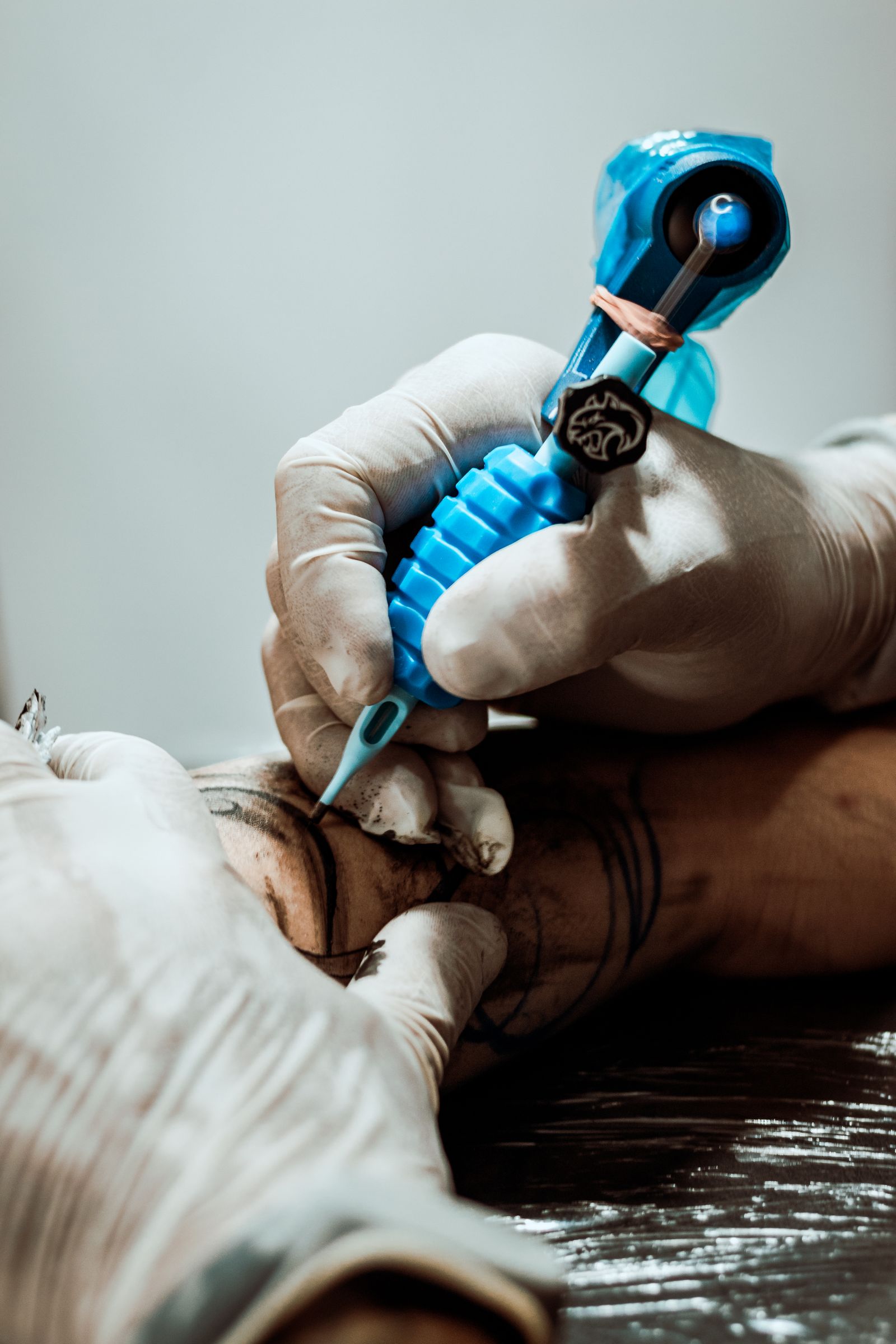
Ask an experienced artist what makes a tattoo readable at ten years and the answer is usually contrast and negative space, not thickness. Negative space is the bare skin inside and around a design. It is what keeps separate lines separate after a decade of spread. A fine line design with generous spacing can outlast a bold design packed too tight, because the bold one had nowhere for its lines to go.
This is why consultations involve resizing. Making a piece slightly larger is rarely about charging for a bigger tattoo. It buys breathing room between elements, lets small details survive healing, and keeps lettering legible instead of closing up. If an artist suggests scaling your idea up or simplifying part of it, that suggestion is the aging conversation happening in plain language.
Where each style earns its place
Fine line suits delicate florals, small symbols, script with enough height, and single-needle style work on stable placements. It reads soft and precise, and on the right skin in the right spot it ages gracefully with minor touch-ups. Bold traditional and strong blackwork suit high-contrast designs, larger imagery, and placements that take wear. Thick outlines and solid fills hold contrast the longest of any style.
Black and grey sits between the two in behavior. Smooth shading can soften beautifully, but very light grey washes fade faster than solid black, and tiny black and grey detail has the same spacing needs as fine line color work. Skin tone matters too. Contrast between ink and skin is what the eye reads, so the same design may need adjusting to stay clear on different skin.
What you control after the appointment
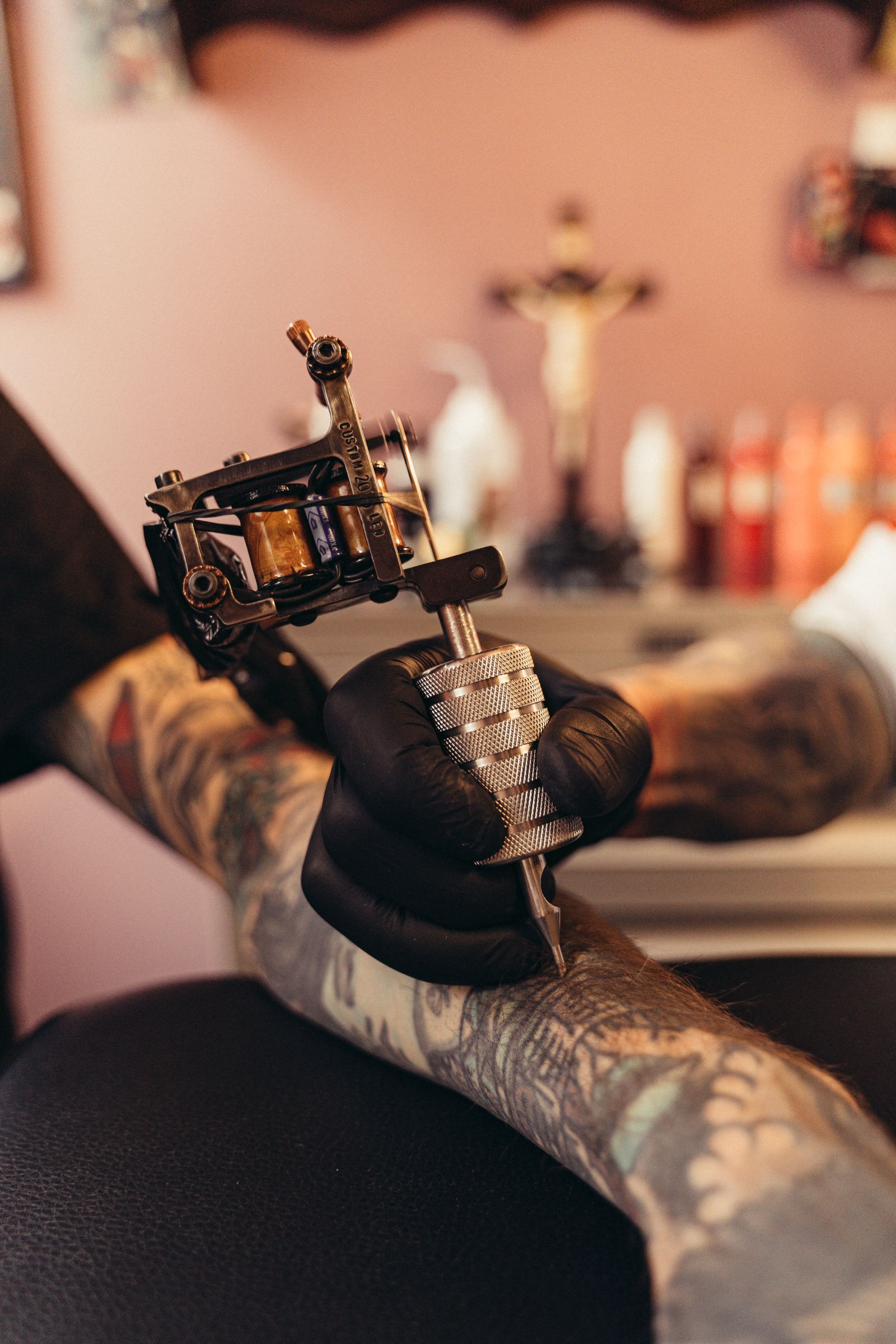
The first two weeks decide a lot. A tattoo that heals cleanly, without picking, soaking, or sunburn, keeps its lines crisp from the start. After healing, sunscreen is the single biggest factor you control. Piedmont summers are long and bright, and a healed tattoo under daily sun without protection will fade years faster than a covered or protected one.
The rest is expectation. Plan on fine line work needing an earlier look, possibly a touch-up once healed, and small refinements over a long life. Plan on bold work holding longer between visits. Neither plan is a failure of the style. It is simply the trade you make when you choose how a piece will look on day one versus year ten, and a good artist in Matthews will walk that trade with you before any needle comes out.
Common questions
Will tiny lettering stay readable?
Only if it is sized generously. Letters close up as lines spread, so small text needs more height and spacing than most people expect. Your artist may suggest simplifying or enlarging it.
Is fine line a bad choice for a first tattoo?
Not at all, if the placement is stable and the design has room to age. Avoid fingers and feet for a first fine line piece, and go in expecting a possible touch-up.
Can a faded fine line tattoo be strengthened later?
Usually yes. Once fully healed, an artist can rework softened lines, often slightly bolder, as long as the original spacing still gives them room to work.
Photos in this guide are representative stock images.
← All guides from Opal Heart Tattoo← Back to Opal Heart Tattoo