A cover-up is not a magic eraser. It is a new tattoo designed so the old one stops being visible inside it, and that works only when the new design gives the artist enough darkness, size, and texture to absorb what is already there. Walking into a Matthews studio hoping to hide a large dark tattoo under a small light one is the most common disappointment in this work, and it is avoidable with a clear-eyed consultation.
This is a decision guide, not a sales pitch. Your real options are a direct cover-up, a rework of the existing piece, laser fading first and then a cover-up, or living with the original. Which one fits depends on three physical facts about your old tattoo: how dark it is, how big it is, and where it sits. Everything else is preference.
Choose by what is already on your skin
| Your old tattoo | Best first option | Why |
|---|---|---|
| Light, faded, small lines with plenty of bare skin around them | Direct cover-up | Faded ink is easy to overpower. A new design modestly larger than the original, with mid-tone or darker areas over the old lines, usually hides it completely. |
| You still like the idea but the work is poor | Rework | An artist can relign, deepen, and add to the existing design. This keeps the size similar and is less work than full concealment. |
| Dark, saturated color or heavy black, and you want something light or delicate | Laser fading first | New ink cannot lighten old ink. Fading the original over several sessions opens up light designs, fine line, and softer color that would otherwise be impossible. |
| Very large dark piece, and you want it fully gone with no new tattoo | Laser removal consult | A cover-up replaces one tattoo with another. If you want bare skin, that is a removal conversation, not a tattoo one. |
| Scarred, raised, or damaged skin over the old tattoo | In-person assessment first | Scar tissue takes ink unevenly and may limit design choices. An artist needs to see and feel the skin before promising a result. |
Darkness sets the floor
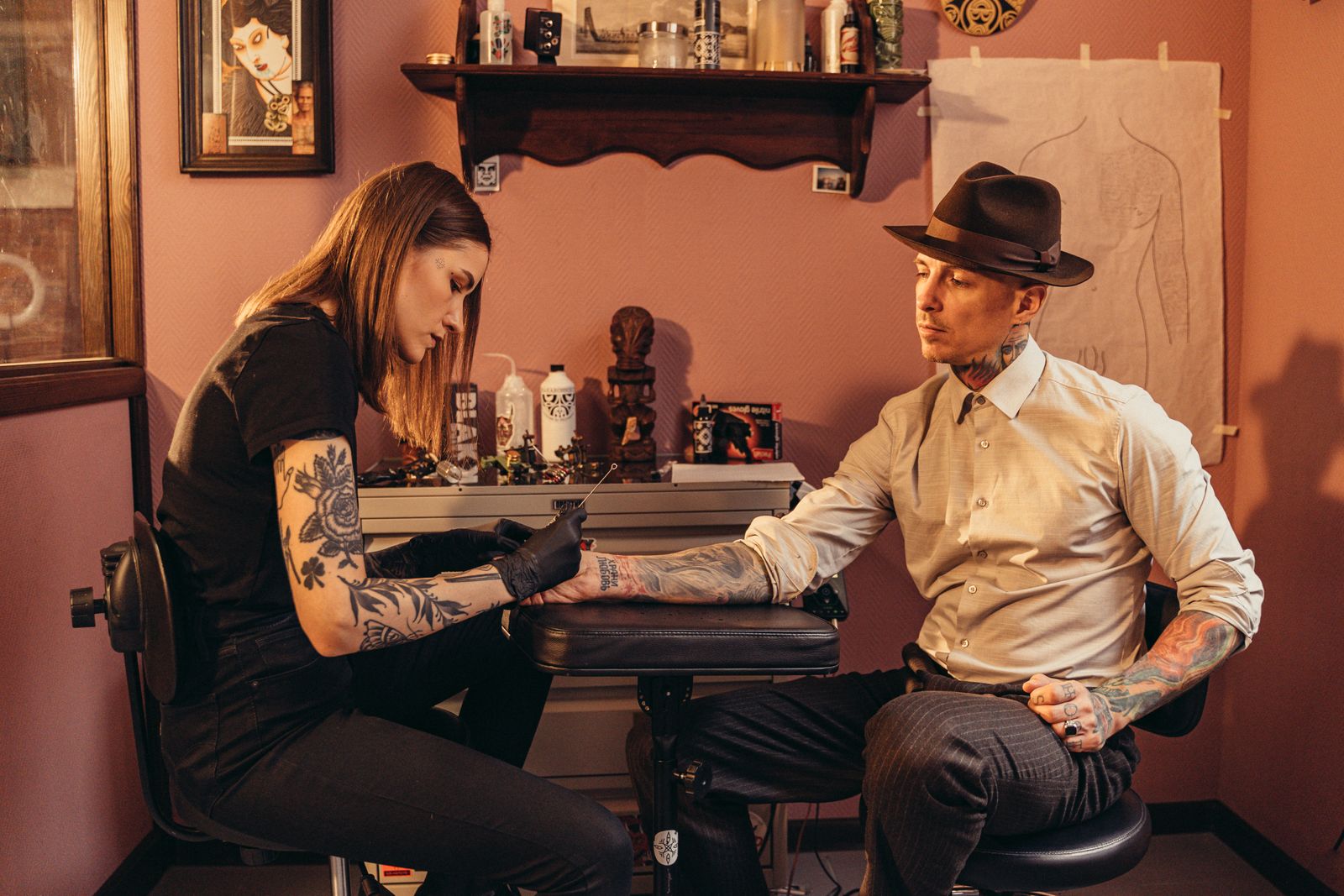
The governing rule is simple. A cover-up must be as dark or darker everywhere it crosses the old tattoo. Old black lines will show through light yellow, pale pink, or white, because tattoo ink is translucent in the skin, layered rather than painted over. Skilled artists work around this with design, placing the darkest parts of the new piece exactly where the old piece is darkest, and using busy texture such as fur, feathers, foliage, or water to break up leftover shapes.
Color choice follows the same logic. Deep blues, purples, greens, and solid black do heavy lifting. Pastels and watercolor styles are poor cover-up tools unless the old work is first faded. An artist who tells you this plainly is saving you from a cover-up that ghosts through within a year.
Size is the second lever
New designs almost always need to be larger than the original. The extra area is not padding. It gives the eye fresh, clean tattoo to read as the subject, so the covered area becomes background rather than the focus. It also lets the artist shift the design so strong new lines do not sit parallel to old ones, which is when old shapes stay visible as outlines.
Bring reference images for the kind of imagery you like, but stay flexible on the exact design. The imagery has to do a job. Florals with deep shading, animals, dark nature scenes, and bold traditional motifs are popular for a reason: they offer the tones and texture concealment needs. Opal Heart Tattoo offers free consultations, which is the right format for this, because the design conversation and the skin assessment have to happen together.
Laser fading is a tool, not a failure
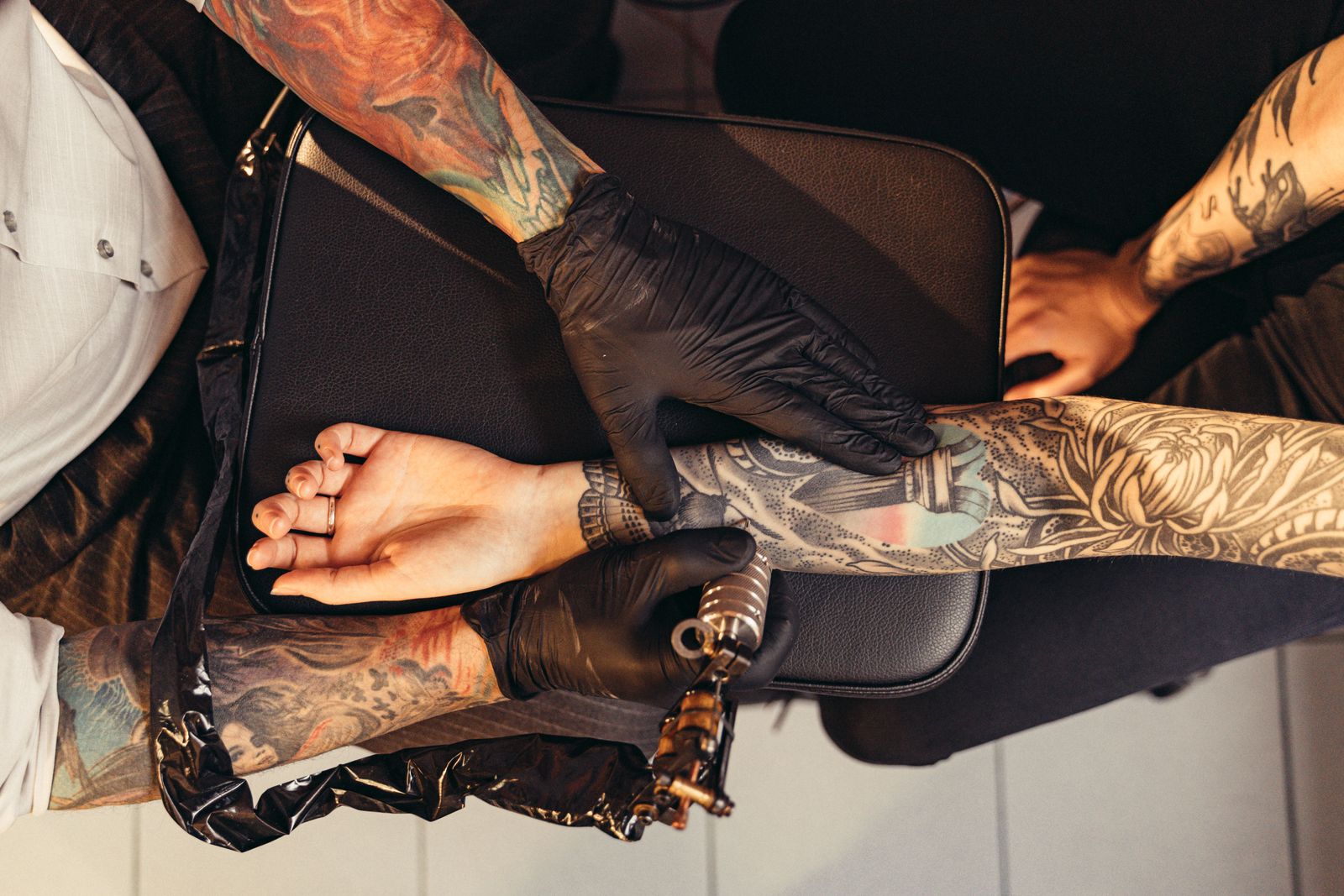
People often hear fading as bad news. It is better understood as buying options. A few fading sessions rarely remove a tattoo, and that is not the goal. The goal is to drop the old ink a few shades so a wider range of new designs becomes possible, including lighter color and more delicate linework. Fading and cover-up work are sequenced with healing time between them, so start months before you want the finished piece.
Whichever path you choose, judge a cover-up healed, not fresh. Fresh ink is dark and swollen and hides almost anything for a week. The honest test is the settled tattoo at a few months, in ordinary light. A good consultation in Matthews will talk about that healed result first, including the possibility that a second pass over the densest areas is part of the plan.
Common questions
Can any tattoo be covered?
Almost any tattoo can be covered by something larger and darker. The real question is whether that something is a design you actually want. Fading first widens the choices when it is not.
Will the old tattoo show through over time?
A well-planned cover-up should not ghost through. Very dense old ink sometimes needs a second session over the darkest spots once healed, which a good artist will flag in advance.
Does a cover-up hurt or take longer than a normal tattoo?
Sessions feel similar, but cover-ups often run larger and may involve more solid packing of ink. Expect the appointment length to follow the new design, not the old one.
Photos in this guide are representative stock images.
← All guides from Opal Heart Tattoo← Back to Opal Heart Tattoo